
In your inaugural session with a Chinese tutor, anticipation and curiosity abound chinese tuition centre. This article offers insight into the foundational elements of your initial lesson, outlining the essential components that will shape your language learning journey.
From setting achievable objectives to delving into basic pronunciation and language structure, this guide aims to equip you with the knowledge and confidence needed to embark on this educational endeavor with clarity and purpose.
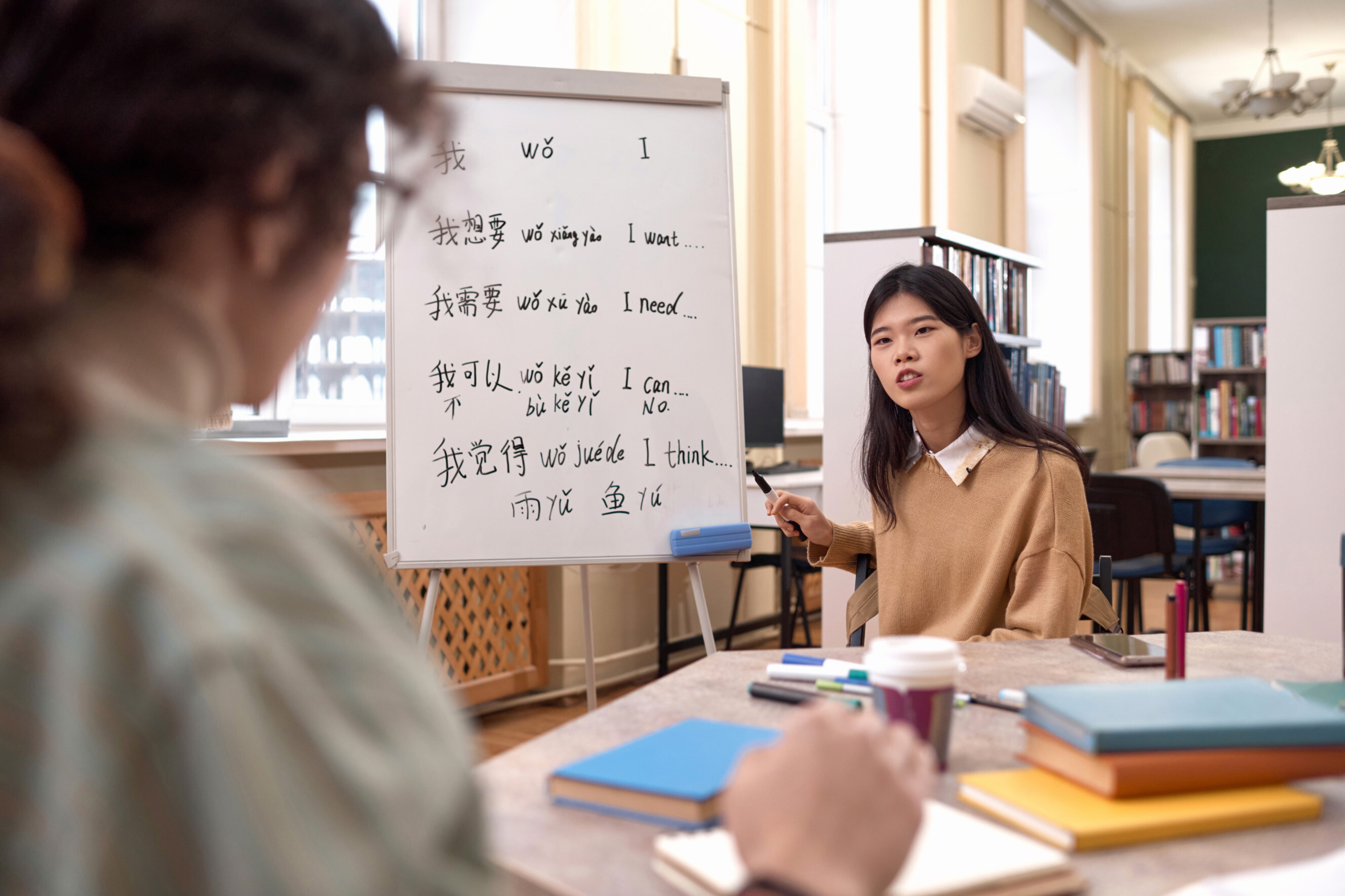
Setting Goals and Expectations
When meeting with your Chinese tutor for the first time, it is essential to set clear goals and expectations to maximize the effectiveness of your learning experience yanzi mandarin. Clearly defining what you hope to achieve during your lessons will provide direction and focus, allowing your tutor to tailor the sessions to meet your specific needs. Whether your goal is to become conversational in Mandarin, improve your writing skills, or prepare for a proficiency exam, articulating these objectives from the outset will ensure that both you and your tutor are on the same page.
Additionally, establishing expectations regarding communication, lesson structure, homework assignments, and progress tracking is crucial for a successful learning journey. Clearly outlining how feedback will be provided, the frequency of lessons, and the level of commitment expected from both parties will help create a transparent and productive learning environment. By setting clear goals and expectations at the beginning of your tutoring relationship, you can work towards achieving your desired outcomes efficiently and effectively.
Introduction to Basic Chinese Pronunciation
Establishing a solid foundation with a focus on the fundamental aspects of basic Chinese pronunciation is crucial in the initial stages of your language learning journey with a Chinese tutor. Understanding the tones in Chinese is essential as the same sound with a different tone can have a completely different meaning. Mandarin Chinese has four main tones – flat, rising, falling then rising, and falling. Practicing these tones diligently will help you communicate accurately.
Additionally, learning Pinyin, the official romanization system for Standard Chinese, will aid you in pronouncing Chinese words correctly. Pinyin uses the Latin alphabet and marks to represent the sounds of Chinese characters. Your tutor will guide you on proper tongue placement and airflow for distinct sounds like the retroflex consonants (zh, ch, sh, r) that are unique to Chinese.
Learning Common Greetings and Expressions
Continuing from the foundational focus on basic Chinese pronunciation, the first step in learning common greetings and expressions with a Chinese tutor is to grasp essential phrases for daily interactions. Greetings are crucial in Chinese culture as they reflect respect and politeness. Your tutor will likely start by teaching you common greetings such as ‘你好’ (nǐ hǎo) for ‘hello’ and ‘谢谢’ (xièxiè) for ‘thank you’. Understanding and using these basic phrases can go a long way in establishing rapport and showing your interest in Chinese language and culture.
Moreover, learning expressions like ‘对不起’ (duìbuqǐ) for ‘sorry’ and ‘再见’ (zàijiàn) for ‘goodbye’ are essential for everyday interactions. Your tutor may also introduce phrases for asking how someone is doing, such as ‘你好吗?’ (nǐ hǎo ma?) for ‘how are you?’. Mastering these fundamental greetings and expressions will not only enhance your communication skills but also help you navigate various social situations with ease.

Understanding Chinese Language Structure
Mastering the understanding of Chinese language structure involves delving into the intricacies of grammar and syntax to build a solid foundation for effective communication. Chinese is a language with a unique structure that differs from English and other Western languages. In Chinese, sentences follow a Subject-Verb-Object (SVO) order, but this order can change based on context and emphasis.
Understanding Chinese characters and their strokes is crucial in forming words and sentences. Additionally, Chinese is a tonal language, meaning that the pitch or intonation used can change the meaning of a word entirely. There are four main tones in Mandarin Chinese, each altering the definition of a word.
Furthermore, Chinese uses measure words to quantify nouns, requiring a specific measure word for different objects. Learning these intricacies of Chinese language structure is essential for effective communication and language mastery. By grasping these fundamental elements, students can navigate conversations with ease and precision, enabling them to express themselves freely in Chinese.
Practice Exercises and Feedback
Incorporating structured practice exercises and receiving constructive feedback are crucial components in honing your understanding of Chinese language structure with a tutor. Practice exercises provide you with the opportunity to apply what you have learned, helping you internalize grammar rules, vocabulary, and pronunciation. These exercises can range from simple fill-in-the-blank activities to more complex conversational practice, tailored to your proficiency level. By actively engaging in these exercises, you can solidify your grasp of the language and improve your fluency over time.
Constructive feedback from your Chinese tutor is invaluable in identifying areas for improvement and guiding your language learning journey. Your tutor can pinpoint specific mistakes, offer alternative ways to express ideas, and provide tips for better pronunciation. Embrace this feedback as a means to enhance your skills and move closer to your language goals. Remember that making mistakes is a natural part of the learning process, and feedback from your tutor is a supportive tool to help you progress effectively.
Conclusion
In conclusion, the first lesson with a Chinese tutor typically involves setting goals, learning basic pronunciation, common greetings, and expressions. Understanding language structure and practice exercises with feedback are also key components.
It is important to approach the lesson with an open mind and willingness to engage in the learning process. With dedication and consistent practice, students can make significant progress in their Chinese language skills.